


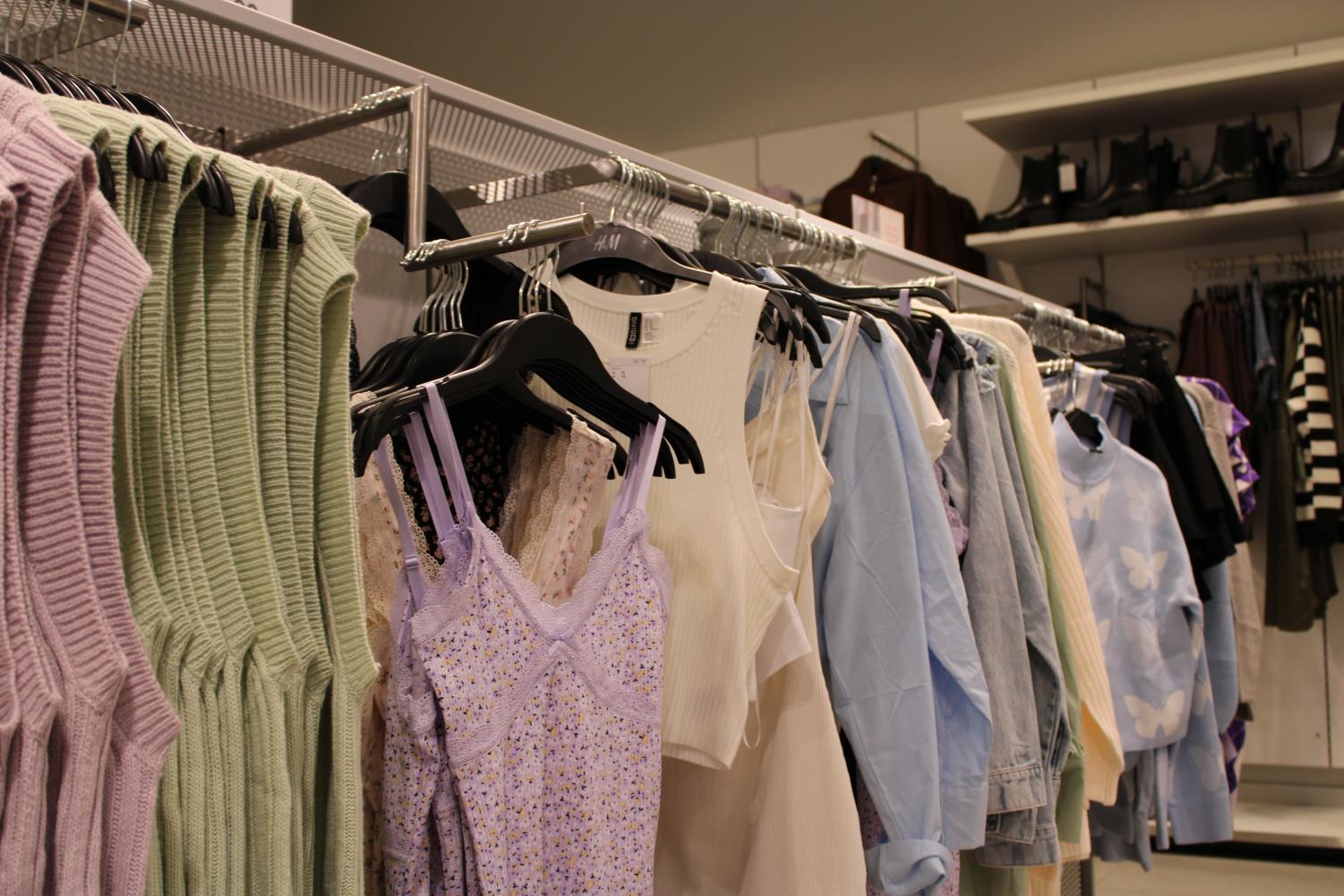
The Negative Impact of Micro Trends
Micro trends often lead to overconsumption and waste in the fashion industry. They can create environmental issues and harm social structures, posing significant risks for brands striving for sustainability.
Overconsumption and waste
Overconsumption and waste plague the fashion industry. Fast fashion encourages shoppers to buy more items than they need. This trend leads to mountains of discarded clothes that end up in landfills.
The fashion waste problem has reached alarming levels. In 2019, the industry produced 92 million tons of waste. This staggering number highlights the urgent need for change.
Micro trends fuel this cycle. They create a constant demand for new clothing. Consumers feel pressure to stay trendy, which often leads to poorer choices. The fashion industry’s impact extends beyond waste.
It poses significant environmental and social challenges. Finding balance in consumption becomes essential for a more sustainable future.
Environmental and social impacts
Micro trends often lead to environmental and social issues. The fashion industry faces a significant challenge with overconsumption and waste. Many brands produce fast fashion to keep up with these quick shifts.
This results in a surge of textiles ending up in landfills. Each year, around 92 million tons of waste emerges from the clothing sector alone.
Beyond the waste, micro trends create social impacts. Workers in developing countries often endure poor working conditions to meet demand. Trend forecasting encourages this cycle of rapid production without considering the long-term consequences.
Consumers can face the guilt of supporting an industry that harms both the planet and its people.
Risks for the fashion industry
Fashion’s fast pace carries several risks. Micro trends often promote overconsumption. Women buy clothes to keep up with fleeting styles. This habit leads to increased waste. The fashion industry generates tons of textile waste each year.
Many garments end up in landfills, harming the environment.
Socially, the pressure to conform can be damaging. Women might feel they need to constantly update their wardrobes. This frantic cycle can strain personal finances. As micro trends shift quickly, brands may struggle to keep up.
This can lead to poor-quality production and a lack of sustainability. The impact of micro trends on the fashion trends cycle can create challenges for both consumers and companies alike.
